Popular Zinc Die Casting Products – Jones & Wilkinson in Willenhall
Zinc die casting creates some of the most reliable metal components used across industries today. From automotive parts to electrical housings, these products combine strength with cost-effectiveness in ways that few other manufacturing methods can match.
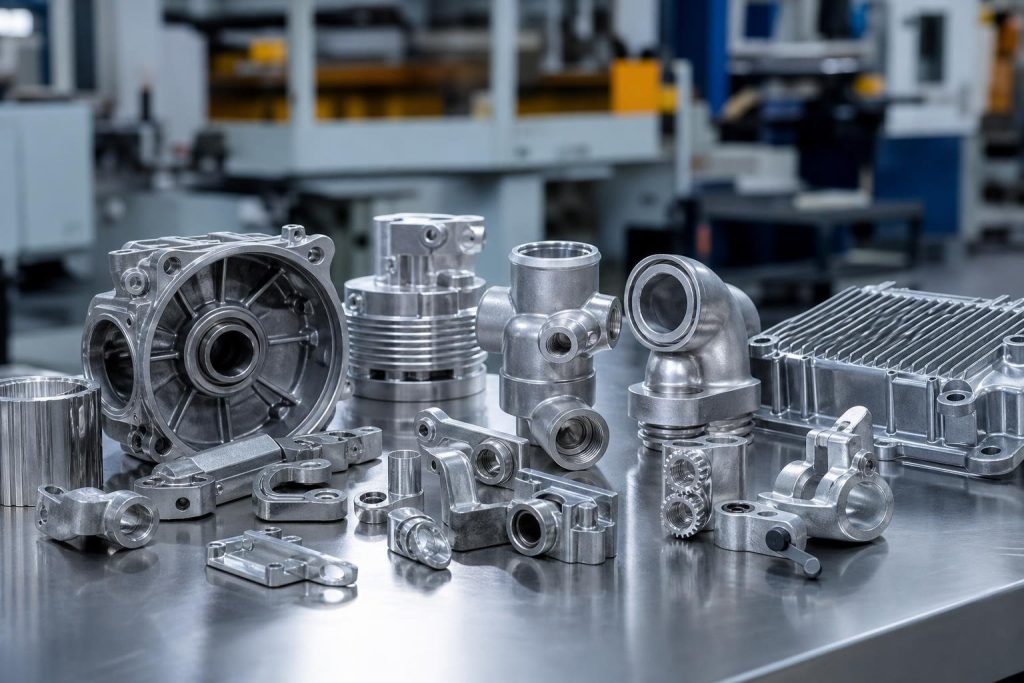
Jones & Wilkinson in Willenhall produces a wide range of zinc die cast products, from small precision components to larger industrial parts, using advanced technology to deliver batches from 1,000 to 5,000,000 pieces. The family-run company has been serving customers since 1965, building expertise in everything from initial design assistance to final assembly.
You’ll find their products in applications you use every day. Whether you need custom tooling, secondary operations like CNC machining, or complete assembly services with finishing options, this West Midlands manufacturer offers concept-to-completion solutions for your zinc die casting requirements.
Key Takeaways
- Jones & Wilkinson specialises in zinc die casting with capabilities for producing batches ranging from small runs to millions of pieces
- The company offers complete services including design assistance, toolmaking, secondary operations, and finishing all from their Willenhall facility
- Over 50 years of experience and in-house toolroom capabilities allow for customised solutions with quality control throughout production
Core Zinc Diecast Product Offerings
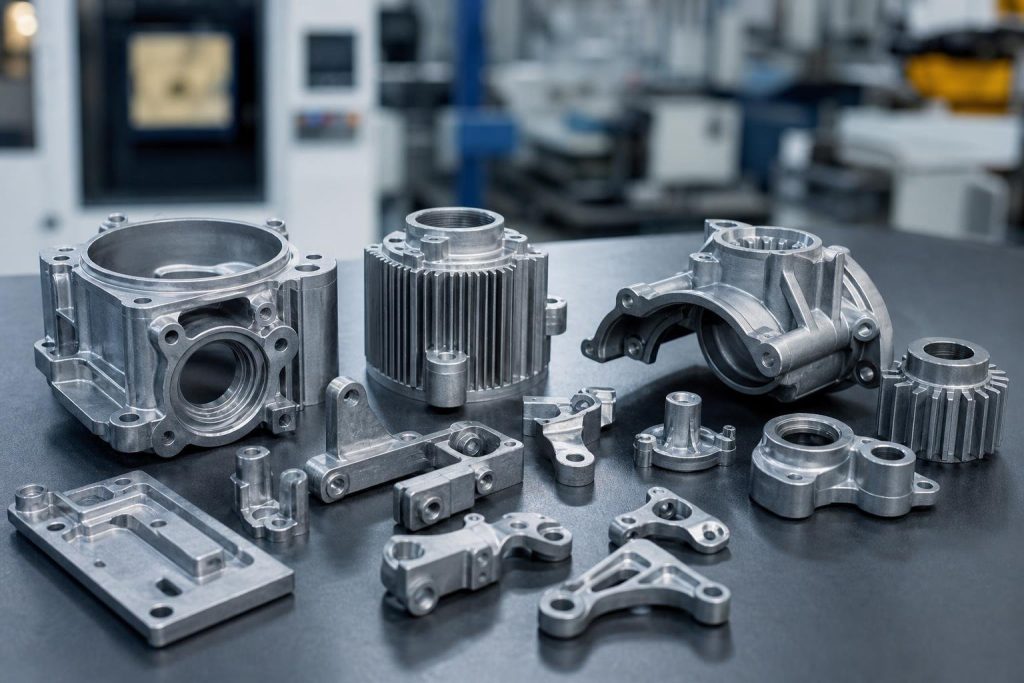
Jones & Wilkinson Ltd produces zinc diecasting components across decorative, industrial, and architectural applications. Their manufacturing capabilities support projects ranging from small decorative fittings to complex custom parts requiring precise specifications.
Decorative and Functional Components
You can source a wide variety of decorative zinc diecast components from Jones & Wilkinson for finishing touches on furniture, fixtures, and consumer products. These parts include handles, knobs, escutcheons, and ornamental trim pieces that combine visual appeal with functional durability.
The zinc diecasting process allows for intricate surface details and fine features that enhance the appearance of your finished products. Jones & Wilkinson Ltd can supply these components with various surface finishes, including polishing, powder coating, and plating options sourced locally in the West Midlands.
Decorative castings offer excellent dimensional stability and strength-to-weight ratios. Your components maintain their appearance over time whilst resisting wear from regular use. The versatility of zinc diecast materials makes them suitable for both modern and traditional design aesthetics.
Custom Industrial Parts
Jones & Wilkinson specialises in producing custom industrial components tailored to your exact specifications. Their in-house toolmaking facility, complete with 3D CAD/CAM capabilities, allows them to create the precise tooling needed for your unique parts.
You benefit from their zinc die casting capabilities that reproduce quality castings in batches from 1,000 to 5,000,000 pieces. This flexibility accommodates both prototype runs and high-volume production requirements.
The company offers comprehensive secondary operations including:
- Tapping and drilling
- CNC machining
- Barrelling
- Auto-shot blasting
These additional services allow you to receive finished parts ready for assembly. Jones & Wilkinson can manage your entire production process from initial design assistance through final component delivery.
Architectural Hardware
Quality zinc die casting serves the architectural hardware sector with durable, precisely manufactured components. You can specify zinc diecast parts for door furniture, window fittings, locking mechanisms, and structural brackets.
Architectural applications demand consistent quality and reliable performance. Zinc alloys provide the necessary strength and corrosion resistance for hardware exposed to varied environmental conditions. The material’s natural properties make it well-suited for both interior and exterior applications.
Jones & Wilkinson’s experience in architectural hardware production ensures your components meet industry standards and building regulations. Their quality control processes guarantee dimensional accuracy across production runs, which is essential for architectural projects requiring multiple identical components.
Advanced Manufacturing Processes at Jones & Wilkinson
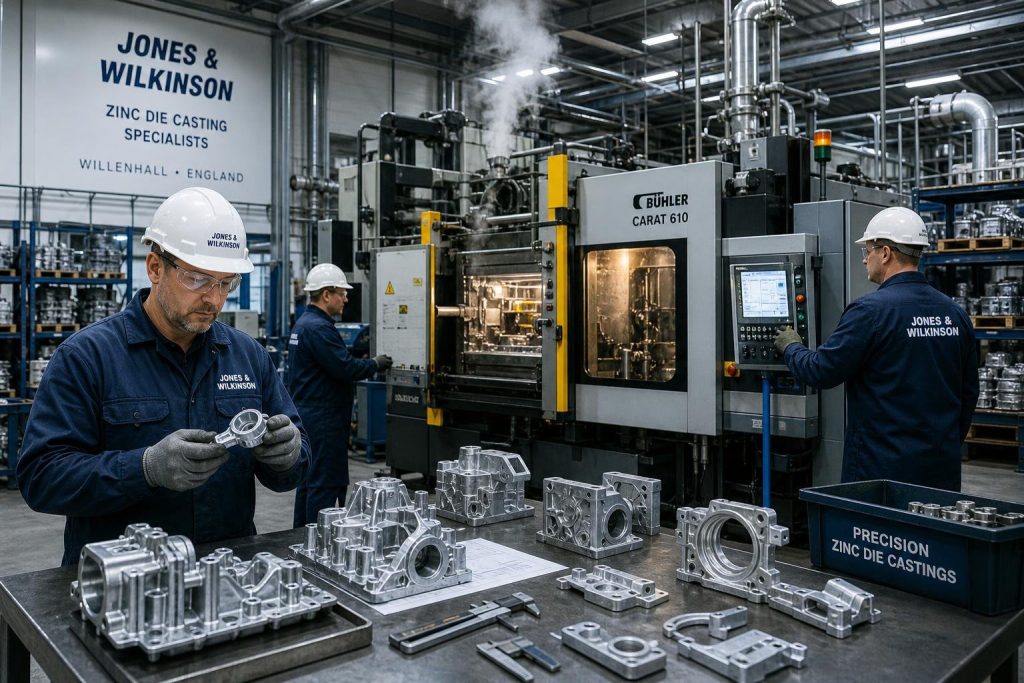
Jones & Wilkinson combines precision equipment with automated systems to deliver consistent zinc diecasting results. The company uses specialised machinery and robotics to handle production runs efficiently whilst maintaining quality standards.
Frech Die Casting Machines
Jones & Wilkinson operates Frech die casting machines for their zinc diecasting production. These machines are designed specifically for hot chamber zinc die casting processes.
The Frech equipment allows the company to produce castings in various batch sizes. You can order quantities ranging from 1,000 to 5,000,000 parts depending on your project requirements.
Hot chamber die casting machines work by keeping the molten zinc in a heated chamber. The metal gets injected directly into the die cavity under high pressure. This process is faster than cold chamber methods and works well for zinc alloys due to their lower melting points.
The machinery handles complex geometries and thin-walled components. You benefit from tight tolerances and repeatable results across large production runs.
ABB Robotics and Automation
ABB robotics systems handle material movement and part extraction at the facility. The robots work alongside the die casting machines to improve cycle times and consistency.
Automated systems remove finished castings from the dies once they’ve cooled sufficiently. This reduces manual handling and maintains steady production flow. The robotics also help position components for secondary operations.
You get more consistent part quality because automated extraction reduces the risk of damage during handling. The robots operate continuously without fatigue, which helps maintain production schedules.
Unit Die Philosophy
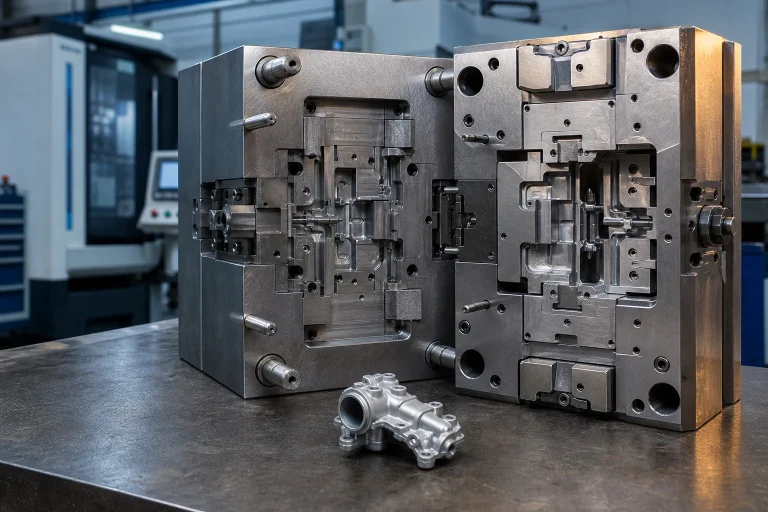
The unit die approach means each casting tool is self-contained and interchangeable. Jones & Wilkinson produces impression work in their dedicated tool room using 3D CAD/CAM systems.
This philosophy allows for quicker changeovers between different production runs. You experience less downtime when switching from one component to another. Each die unit includes all necessary components for that specific part.
The approach also simplifies maintenance and repairs. If one die requires servicing, it can be removed and replaced without affecting other production capabilities. Your projects benefit from more flexible scheduling and faster turnaround times.
Material Selection: ZL5 and ZL2 Zinc Alloys
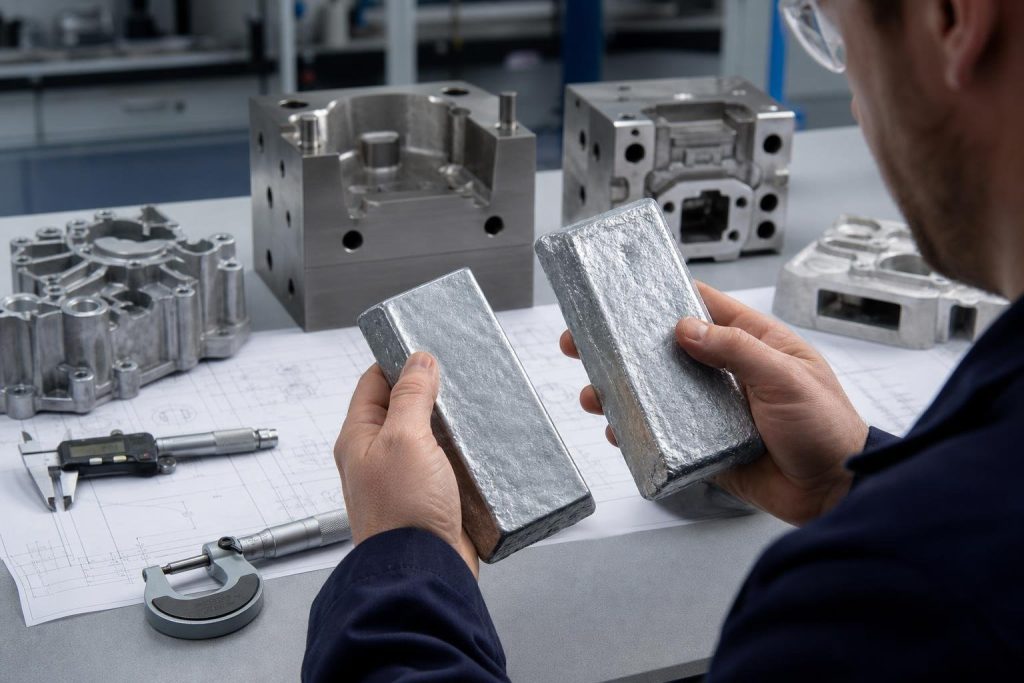
Choosing the right zinc alloy for your diecasting project directly affects the final product’s performance and appearance. Both ZL5 and ZL2 offer distinct advantages based on their chemical makeup and meet specific standards for quality control in zinc diecast manufacturing.
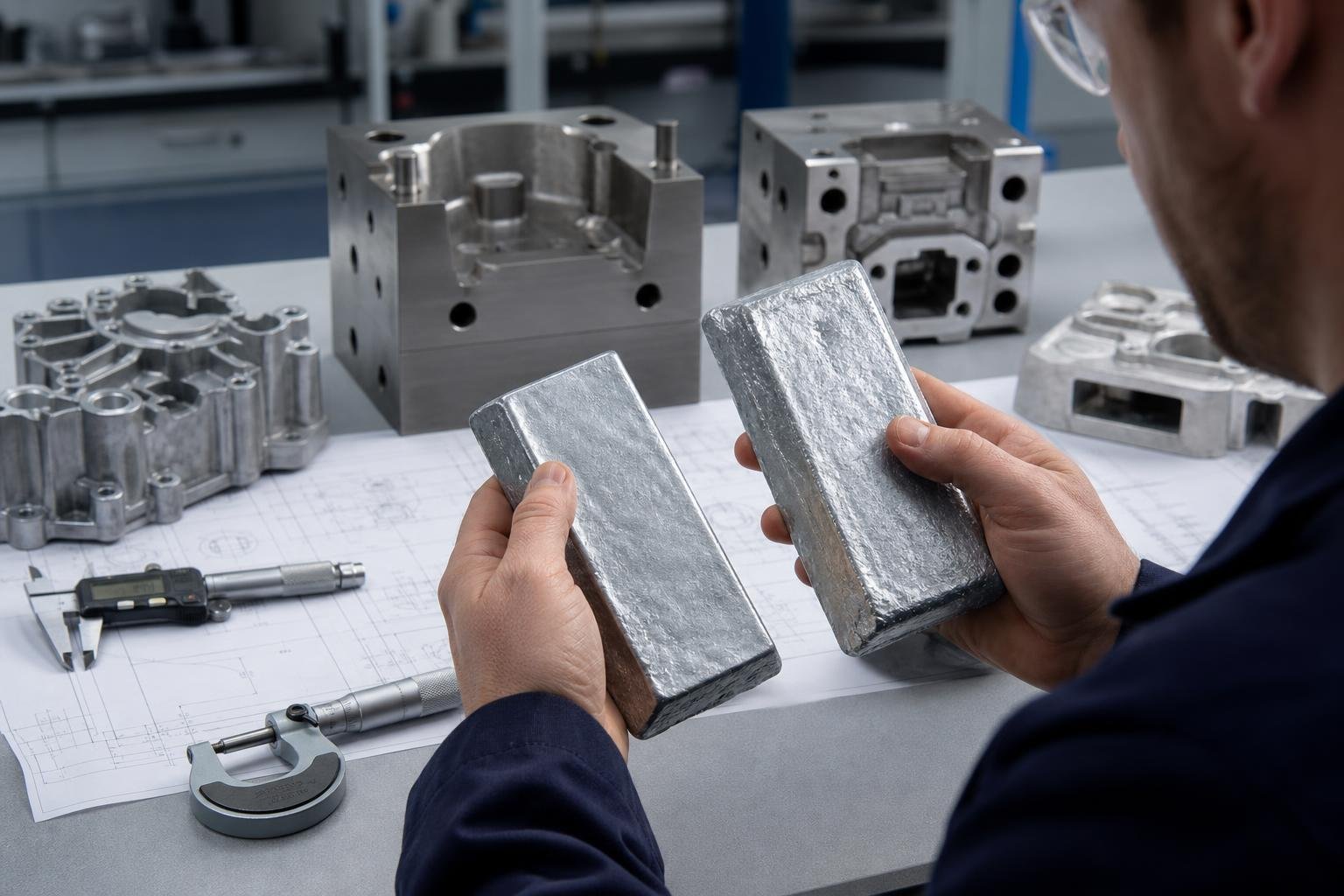
EN1774 1997 Ingot Specification
The EN1774 1997 standard governs zinc alloy specifications used throughout European manufacturing. This specification ensures consistency in zinc diecasting materials across different suppliers and applications.
ZL5 contains approximately 4% aluminium, 1% copper, and 0.03% magnesium, with the balance being zinc. This composition gives you moderate strength with excellent castability. ZL2 features higher copper content, which increases tensile strength and hardness compared to ZL5.
The standard sets strict limits on impurities that could affect casting quality. Lead, tin, and iron content must stay within specified ranges to maintain proper flow characteristics and mechanical properties. When you source zinc alloys meeting EN1774, you get reliable material performance for your production runs.
Applications of ZL5 Zinc Alloy
ZL5 excels in producing intricate parts that require detailed features and smooth surface finishes. The alloy’s composition makes it ideal for consumer goods and decorative items where appearance matters as much as function.
You’ll find ZL5 used extensively in:
- Plumbing components – taps, valves, and fittings
- Door hardware – handles, locks, and hinges
- Electrical housings – switch boxes and connector shells
- Automotive trim – badges, emblems, and decorative elements
The alloy offers excellent electroplating characteristics. Your finished parts accept chrome, nickel, or brass plating with minimal surface preparation. This quality makes ZL5 particularly valuable when you need corrosion resistance combined with an attractive finish. The moderate mechanical properties suit applications where extreme strength isn’t the primary requirement but dimensional accuracy and surface quality are essential.
Benefits of ZL2 Zinc Alloy
ZL2 delivers superior tensile strength and hardness for demanding applications. This alloy suits your projects when components face mechanical stress or require tight dimensional tolerances under load.
The higher copper content in ZL2 increases its hardness significantly. You get parts that resist wear better than those made from ZL5. This makes ZL2 suitable for automotive components, heavy machinery parts, and industrial equipment that operates under tough conditions.
Key advantages include:
- High tensile strength for load-bearing applications
- Superior hardness for wear resistance
- Good castability despite increased strength
- Excellent surface finish quality
However, you should note that the elevated copper content can affect dimensional stability over time. Parts may experience slight changes in size with temperature fluctuations. This trade-off between strength and stability means you need to match the alloy carefully to your specific application requirements.
Customisation and Toolroom Capabilities
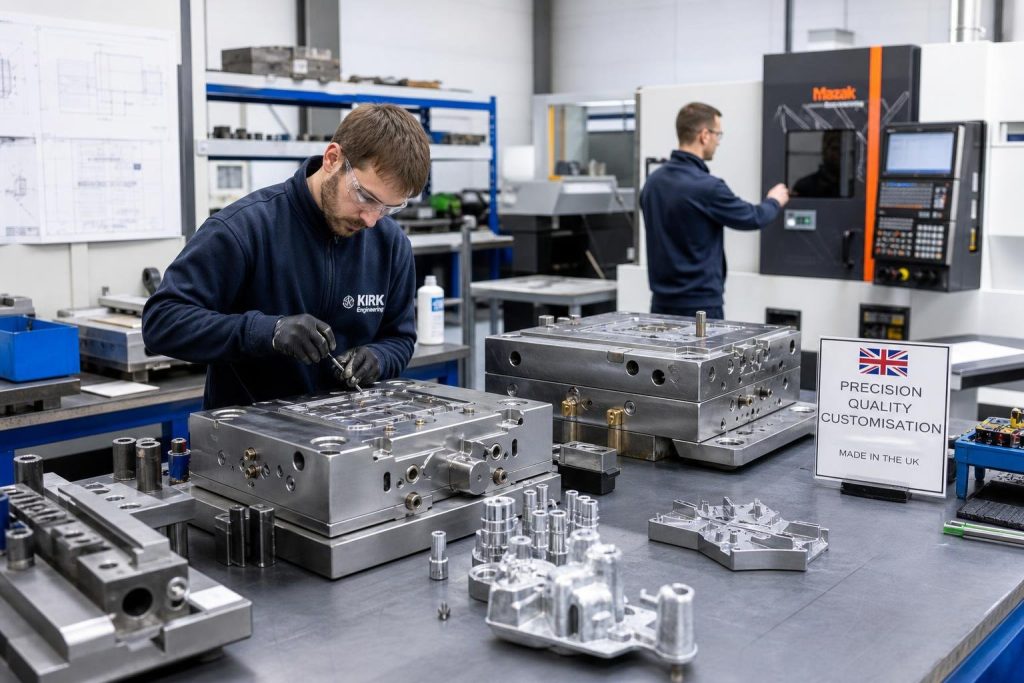
Jones & Wilkinson’s in-house toolroom enables precise die design and modifications for custom zinc diecasting projects. The company combines CNC machining with flexible production capabilities to deliver tailored components for varied batch sizes.
CNC Machining Services
The facility offers comprehensive CNC machining services to refine zinc diecasting components to exact specifications. You can request secondary operations including drilling, tapping, milling, and turning to achieve tight tolerances on your cast parts.
CNC machining enhances the functionality of standard zinc die cast products by adding features that cannot be created during the initial casting process. This includes threaded holes, precise bores, and complex surface profiles.
The family-run zinc diecasting company integrates machining operations within their production workflow. This streamlines your project timeline by eliminating the need for multiple suppliers.
Tailored Die Design
The dedicated toolroom at Jones & Wilkinson designs and manufactures dies specifically for your component requirements. You benefit from their expertise in optimising die geometry for manufacturability whilst maintaining your design intent.
Their team can assist you in developing your zinc die cast part from initial concept through to tool production. This collaborative approach ensures your dies are built to deliver consistent quality throughout production runs.
The toolroom capabilities allow for die modifications and repairs to be completed on-site. You receive faster turnaround times when adjustments are needed compared to outsourcing tooling work.
Short Run and Batch Production
Jones & Wilkinson accommodates both short production runs and larger batch quantities. You have flexibility in order volumes without compromising on quality standards for your zinc diecasting projects.
The company’s range of die casting machines supports efficient production across different batch sizes. Whether you require prototype quantities or ongoing production volumes, their equipment can be configured to meet your needs.
Short run capabilities are particularly valuable when you’re testing new product designs or serving niche markets. You avoid excessive tooling investments whilst still accessing professional zinc diecasting services in Willenhall.
Quality Control and Finishing Standards
Jones and Wilkinson maintains strict quality protocols throughout their zinc diecast production process, with comprehensive inspection procedures and surface preparation techniques that meet industry standards. Their commitment to quality ensures that components are ready for various finishing applications.
Inspection and Testing
Jones and Wilkinson implements rigorous testing and inspection procedures at every stage of production. Each zinc diecast component undergoes dimensional checks to verify it meets the specified tolerances. Material composition testing confirms that the zinc alloys comply with EN1774 1997 ingot standards.
The company adheres to ISO 9001 certification requirements, demonstrating their commitment to quality management systems. Regular process reviews identify potential improvements in their manufacturing workflow.
Your components receive thorough visual inspections to detect any surface defects or imperfections. This multi-stage quality control approach minimises the risk of faulty parts reaching your production line. The systematic inspection process ensures consistency across high-volume production runs.
Electroplating Ready Surfaces
Zinc die cast components produced by Jones and Wilkinson arrive with surfaces prepared for electroplating and finishing applications. The ZL5 alloy they use is particularly suitable for pre-electroplating work, offering the smooth surface finish required for quality coating adhesion.
Your parts can receive various specialist finishes depending on your application requirements. Surface treatments improve corrosion resistance, enhance aesthetic appeal, or provide additional wear protection. The clean, consistent surface quality of Jones and Wilkinson’s castings reduces the preparation work needed before finishing.
Proper surface preparation during the casting process eliminates many common finishing problems. This attention to surface quality saves you time and money in post-casting treatments.
Sustainability and Environmental Responsibility
Jones & Wilkinson Ltd demonstrates commitment to sustainable manufacturing through comprehensive waste reduction programmes, energy-efficient production methods, and strict adherence to environmental regulations in their zinc diecasting operations.
Waste Reduction Initiatives
Your zinc diecasting partner prioritises minimising waste throughout the production cycle. Zinc die casting produces parts with minimal waste compared to other casting methods, particularly sand or investment casting techniques.
Jones & Wilkinson Ltd implements closed-loop systems that reclaim and reuse materials during production. The zinc scrap generated during the diecasting process is collected and recycled back into new products. Over 90% of zinc can be recycled without losing its desirable qualities or performance characteristics.
The company focuses on precision manufacturing to reduce material waste. By producing components with tight tolerances from the initial casting, you receive parts that require fewer secondary operations. This approach eliminates the excess material removal that typically generates additional waste in traditional machining processes.
Energy-Efficient Operations
Your manufacturing needs are met through processes that consume significantly less energy than alternative methods. Zinc’s low melting point of approximately 420°C requires substantially less energy during production compared to aluminium or other metals.
Jones & Wilkinson Ltd operates equipment optimised for energy efficiency throughout their facility. The diecasting process itself demands less power than other metalworking techniques, reducing both operational costs and carbon emissions.
The lightweight nature of zinc components further contributes to energy savings. Products manufactured through zinc diecasting weigh less during transportation, which decreases fuel consumption and associated emissions across the supply chain. This benefit extends to end-use applications where lighter components improve overall product efficiency.
Compliance with Environmental Standards
Your projects benefit from Jones & Wilkinson Ltd’s adherence to rigorous environmental standards. The company maintains compliance with UK and international environmental regulations governing manufacturing operations and waste management.
The zinc diecasting facility follows proper protocols for handling materials, controlling emissions, and managing any byproducts from the production process. These standards ensure that operations minimise negative impacts on the surrounding environment and local community.
You can verify the company’s environmental commitments by contacting Jones & Wilkinson Ltd directly on 01922 475444 or visiting their facility in Willenhall to discuss specific sustainability requirements for your project.
Customer Engagement and Support
Jones & Wilkinson Ltd provides hands-on support throughout the entire production process, from initial design consultation to post-delivery assistance. The company focuses on building long-term partnerships through tailored solutions and responsive service.
Consultative Design Services
Jones and Wilkinson works directly with you to plan and design zinc die cast components that meet your specific requirements. The team uses their 50+ years of engineering knowledge to help you optimise part designs for manufacturability and cost-effectiveness.
Their consultative approach includes:
- Design review and optimisation for zinc die casting processes
- Material recommendations based on your application needs
- Tooling advice to ensure quality and longevity
- Production planning to meet your volume requirements
You receive expert guidance on wall thickness, draft angles, and other design elements that affect casting quality. The company’s 3D CAD/CAM capabilities allow them to create detailed models and simulations before production begins.
After-Sales Support and Warranty
Jones & Wilkinson Ltd stands behind their work with ongoing support after delivery. If you encounter any issues with castings or tooling, their team provides technical assistance to resolve problems quickly.
The company maintains quality standards through rigorous inspection processes. They can trace production batches and address concerns about specific components. You have direct access to experienced staff who understand your project history and can provide informed solutions.
Their warranty coverage reflects confidence in their manufacturing processes and tooling durability.
Client Partnerships
Jones and Wilkinson builds relationships based on reliability and consistent quality delivery. Many clients return for multiple projects because of the company’s ability to handle everything from small batches of 1,000 units to large runs of 5,000,000 pieces.
The Willenhall-based manufacturer sources secondary operations such as powder coating, polishing, and plating locally in the West Midlands. This network allows them to deliver fully finished assemblies rather than just raw castings.
You benefit from working with a third-generation family business that prioritises long-term customer relationships over short-term transactions.
Company Heritage and Legacy in Willenhall
Jones & Wilkinson has operated from its base in Ezekiel Lane, Willenhall, at postcode WV12 5QU for over six decades. The company maintains its family-run structure whilst contributing significantly to the West Midlands manufacturing sector.
Family Ownership and Management
Bill Jones and Wilfred Wilkinson established the company in 1965, creating a foundation for what would become a multi-generational business. The founders built their reputation on quality zinc diecasting work in the heart of the West Midlands.
Rob and Andy Wilkinson took over management of the business in 1992. They continued the tradition of engineering excellence started by the founders.
The third generation joined the family business when David Wilkinson became part of the operation. This progression demonstrates the company’s stability and commitment to maintaining its independent, family-run structure at their WV12 5QU location.
Milestones Since 1947
The company was officially incorporated on 29 March 1965 with Companies House registration number 00843257. This legal establishment marked the beginning of formal operations in Short Heath, Willenhall.
Over the past sixty years, Jones & Wilkinson has maintained Active company status whilst building comprehensive facilities. You’ll find they’ve developed their own dedicated tool room complete with 3D CAD/CAM capabilities.
The business expanded its service offerings beyond basic diecasting. They now provide secondary operations including tapping, drilling, CNC machining, barrelling, and auto-shot blasting from their Ezekiel Lane premises.
Contribution to Local Industry
Jones & Wilkinson operates under SIC code 25990 for manufacture of other fabricated metal products. Their presence in Willenhall strengthens the West Midlands manufacturing base.
The company sources finishing services locally within the region. Powder coating, polishing, and plating partners are all based in the West Midlands, supporting the broader industrial network.
You benefit from their ability to produce quality castings in batches ranging from 1,000 to 5,000,000 units. This flexibility serves both small-scale and large-volume production requirements for customers across industrial, automotive, and electrical sectors.
Location and Accessibility
Jones & Wilkinson Ltd operates from Ezekiel Lane in Willenhall, West Midlands, with the postcode WV12 5QU. The facility benefits from its position in an area known for manufacturing and metalworking businesses.
Site Facilities and Amenities
The company maintains a complete zinc diecasting facility at their Willenhall location. Their site includes a dedicated tool room equipped with 3D CAD/CAM technology for producing impression work. You’ll find their diecasting operations use the latest technology to handle production runs ranging from 1,000 to 5,000,000 castings.
The facility offers secondary operations on-site, including tapping, drilling, CNC machining, barrelling and auto-shot blasting. Assembly services are also available at the premises. For finishing work such as powder coating, polishing and plating, the company sources these services locally within the West Midlands area, which helps maintain quick turnaround times for completed projects.
Transport Links
Willenhall sits within the West Midlands region, providing access to major motorway networks. The town connects to the M6 motorway, which runs through the wider area. You can reach the site via local road networks that serve the industrial zones around Ezekiel Lane.
The location benefits from its position in an established manufacturing district. This means surrounding infrastructure supports commercial vehicle access for deliveries and collections. Public transport options serve Willenhall town centre, though you may need additional transport to reach the industrial estate where the facility operates.
Visiting Information
You can contact Jones & Wilkinson on 01922 475444 to arrange a visit to their WV12 5QU address. The company maintains a professional atmosphere at their Willenhall premises, suitable for discussing your zinc diecasting requirements.
When planning your visit, note that the facility operates as a working factory environment. You should discuss timing with the team to ensure someone is available to meet you. The company works with clients on projects from initial design through to final assembly, so visiting the site allows you to see their full range of capabilities across toolmaking, casting and finishing operations.
Industry Reputation and Client Feedback
Jones & Wilkinson has built a solid standing in the zinc diecasting sector through consistent delivery of quality products and attentive customer service. The company’s track record reflects their technical capabilities and commitment to meeting client specifications.
Quality Recognition
Jones & Wilkinson has earned recognition for their focus on delivering high-quality zinc diecast components that meet precise specifications. The company operates with over 50 years of engineering experience, which has helped them develop expertise in producing complex castings for various industries.
Their reputation stems from their ability to handle projects from concept to completion. You’ll find that they maintain quality control throughout their processes, from initial design consultation through toolmaking and final casting production.
The family-run business has maintained operations since 1965, demonstrating long-term stability in the manufacturing sector. Their commitment to premium quality diecasting has positioned them as a reliable choice for companies requiring zinc diecast parts across automotive, electrical, and industrial applications.
Customer Testimonials
Industry sources note that customers choose Jones & Wilkinson based on their commitment to quality and customer satisfaction. The company has developed a reputation for delivering products that align with client requirements.
Their approach emphasises working closely with you throughout the manufacturing process. They offer support in design assistance, tool production, and finished product delivery, which helps ensure your specifications are met.
The Willenhall-based manufacturer focuses on building lasting relationships with clients who need consistent, quality zinc diecast components. Their comprehensive service range allows you to consolidate multiple manufacturing steps with a single supplier, streamlining your production requirements.
Frequently Asked Questions
Zinc die casting involves specific alloy selections, precise tolerances, and various finishing options that manufacturers need to understand for successful component production. The process compares favourably to aluminium casting in many applications, with ZAMAK alloys offering distinct advantages for different product requirements.
Which zinc alloys are most suitable for die casting and why?
ZAMAK 3 stands as the most widely used zinc alloy for die casting applications. This alloy provides excellent fluidity during casting, good mechanical properties, and superior dimensional stability over time.
ZAMAK 5 contains higher copper content than ZAMAK 3, which increases its strength and hardness. You’ll find this alloy suits applications requiring enhanced mechanical properties and better creep resistance.
The ZA alloys offer higher aluminium content, providing greater strength and hardness than traditional ZAMAK alloys. These work well for components that need superior bearing properties.
What are common applications for ZAMAK 3 in manufactured components?
ZAMAK 3 produces automotive parts like door handles, gear shift components, and decorative trim pieces. The alloy’s castability allows manufacturers to create intricate designs with thin walls.
You’ll find ZAMAK 3 in electrical and electronic housings that require electromagnetic shielding. These housings protect sensitive components from interference whilst maintaining precise dimensions.
Interior hardware such as control knobs, locks, and decorative fixtures commonly use ZAMAK 3. The alloy delivers smooth surface finishes that enhance aesthetic appeal without extensive post-processing.
How does zinc die casting compare with aluminium casting in strength and durability?
Zinc die casting offers superior casting fluidity compared to aluminium, allowing for thinner walls and more complex geometries. Zinc alloys provide higher strength and hardness values than many aluminium alloys used in die casting.
Zinc components exhibit excellent wear resistance and bearing properties. Your parts will maintain dimensional stability better than aluminium equivalents over their service life.
The lower melting point of zinc reduces energy consumption during production. However, zinc’s temperature limitations restrict its use in applications with sustained heat above 150°C, where aluminium performs better.
What tolerances and surface finishes can typically be achieved with zinc die cast parts?
Zinc die casting produces components with tight tolerances, typically ranging from ±0.075mm to ±0.125mm depending on part size and geometry. You can achieve these tolerances without secondary machining operations in many cases.
The process delivers excellent surface finishes straight from the mould. Your parts will have smooth surfaces that require minimal finishing work, reducing production time and costs.
Complex parts with intricate details maintain dimensional accuracy throughout production runs. This precision ensures consistent quality across high-volume manufacturing.
What factors influence tooling design, lead times and production volumes for zinc die casting?
Part complexity directly affects tooling design requirements and costs. Your components with intricate features, undercuts, or thin walls need more sophisticated mould designs and longer development times.
Production volumes determine whether hot chamber or cold chamber die casting proves most economical. Hot chamber processes suit high-volume production of smaller components, whilst cold chamber methods handle larger parts or lower quantities.
Tool life for zinc die casting typically exceeds that of other metals due to zinc’s lower operating temperatures. Your moulds experience less thermal stress and wear, resulting in longer service life and reduced replacement costs.
Which finishing options are available for zinc die cast components, such as plating, painting or powder coating?
Electroplating provides corrosion protection and decorative finishes for your zinc components. Chrome, nickel, and brass plating enhance appearance whilst extending service life in harsh environments.
Powder coating offers durable, attractive finishes in various colours and textures. You’ll achieve consistent coverage that resists chipping, scratching, and fading better than traditional paint.
Polishing creates high-gloss surfaces for decorative applications. Your components can receive chemical or mechanical polishing depending on the desired finish quality and production volume requirements.