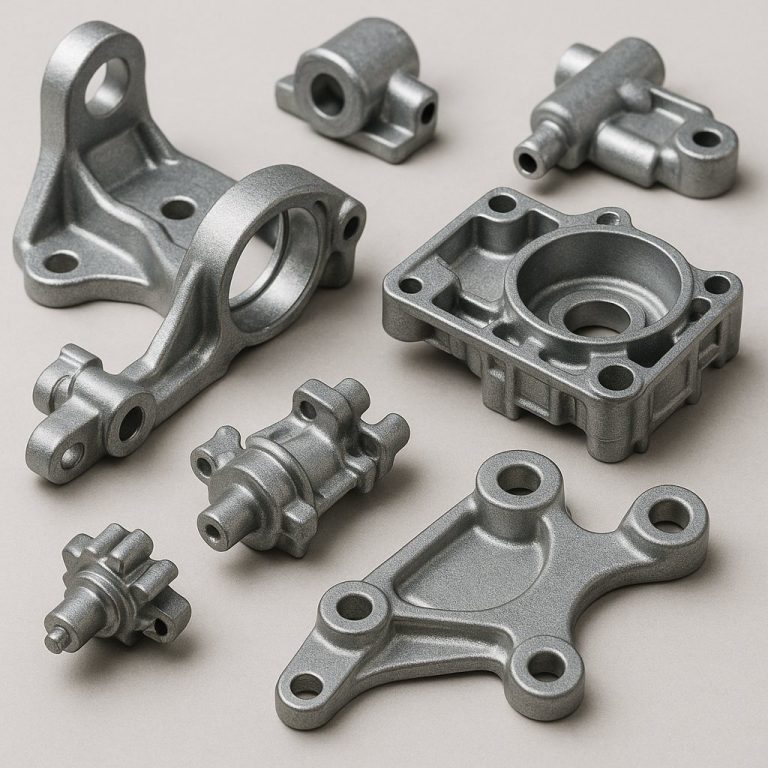
What role does zinc die casting play in reducing material costs for manufacturers?
What role does zinc die casting play in reducing material costs for manufacturers?
In today’s competitive manufacturing landscape, reducing material costs is paramount for success. One method that has gained significant traction is zinc die casting. This article explores the pivotal role that zinc die casting plays in achieving cost reduction for manufacturers, delving into its various advantages and applications. The discussion encompasses the benefits of zinc and how the properties of zinc alloys offer tangible cost savings.
Introduction to Zinc Die Casting
Overview of Zinc Die Casting
Zinc die casting is a manufacturing process where molten zinc alloys are injected under high pressure into a die to form complex and precise shapes. This casting method, often employing the hot chamber die casting process, creates zinc die cast parts with exceptional mechanical properties and a superior surface finish. The fluidity of molten zinc allows for intricate designs, which are crucial for a variety of applications of zinc die casting. The zinc casting process is known for its efficiency and ability to produce high-quality parts consistently.
Importance of Cost Reduction in Manufacturing
Cost reduction is a critical objective for manufacturers aiming to enhance profitability and competitiveness. Material costs often represent a significant portion of overall expenses, making it essential to explore alternative manufacturing processes that minimize waste and optimize resource utilization. Zinc die casting offers a viable solution for lowering these costs due to its material efficiency and the durability of the resulting zinc die castings. Reducing costs allows manufacturers to offer more competitive pricing.
Key Benefits of Zinc Die Casting
The advantages of zinc die casting in reducing material costs stem from several factors. Using zinc alloys provides excellent corrosion resistance, durability, and mechanical properties, resulting in long-lasting parts. The low melting point of zinc alloy, which is melted easily, reduces energy consumption during the die casting process. Additionally, the precision of the die casting process minimizes the need for secondary machining, further lowering production costs. The extended tool life associated with zinc casting processes also contributes to overall cost savings, making zinc die casting often a more economical choice than other metal casting methods.
Understanding the Die Casting Process
Die Casting Methods: Hot Chamber vs. Cold Chamber
The die casting process involves two primary methods: hot chamber and cold chamber die casting. The hot chamber die casting process, ideally suited for zinc alloy die casting due to zinc’s low melting point, involves the die casting machine’s injection system being submerged in a molten zinc bath. This allows for rapid and efficient production of zinc die cast parts. In contrast, cold chamber die casting is used for casting alloys with higher melting points, such as aluminum or magnesium. Molten metal is ladled into a cold chamber, then forced into the die using high pressure. Choosing between the two methods depends largely on the metal’s properties and the desired production volume. Hot chamber methods provide faster cycle times and are well suited to zinc casting, whereas the cold chamber method is well-suited for metals that would corrode or damage the hot chamber machine.
Steps Involved in the Zinc Die Casting Process
The zinc die casting process involves several key steps. First, the die is prepared by cleaning and lubricating it to facilitate easy ejection of the casting parts. Next, molten zinc alloys are injected into the die under high pressure. Once the zinc alloy is melted and injected, it rapidly cools and solidifies within the die. The die is then opened, and the zinc die cast parts are ejected. The final steps often include trimming excess material and performing any necessary surface finish operations. The zinc die casting process delivers high-quality and durable products with tight tolerances, making zinc die casting often a preferred manufacturing process for complex shapes requiring precision and a smooth surface finish.
Comparing Zinc Die Casting with Other Casting Processes
Zinc die casting stands out when compared to other casting processes. The benefits of zinc, such as its low melting point, excellent fluidity, and exceptional corrosion resistance, make it ideal for creating intricate and high-quality die castings. Unlike sand casting or investment casting, the die casting process provides better precision and a superior surface finish. When weighed against aluminum die casting, zinc alloy die casting generally offers higher strength and hardness for thinner walled parts. While magnesium die casting provides lightweight benefits, using zinc results in a more durable casting with a better ability to be surface-finished. Each casting method has its advantages, but zinc die casting finds a favorable balance of cost-effectiveness, mechanical properties, and production efficiency.
Advantages of Zinc Die Casting for Manufacturers
Cost Efficiency Through Material Use
One of the significant advantages of zinc die casting lies in its cost efficiency through material use. The die casting process minimizes material waste, as the molten zinc is injected with precision, reducing the need for extensive machining. Using zinc alloys, especially Zamak 3, ensures that the die cast parts are not only durable but also utilize material efficiently. This is because the zinc die casting process ensures that the material is used precisely, reducing any wastage. The benefits of zinc alloys, such as their low melting point, contribute to energy savings during production, which enhances cost-effectiveness. Zinc die casting often presents manufacturers with a sustainable and economical alternative to other casting processes that lead to substantial material waste.
Tool Life and Maintenance Considerations
Tool life is a crucial factor that contributes to the overall cost-effectiveness of any manufacturing process. The zinc die casting process, in particular the hot chamber die casting process, is known for extending tool life compared to other casting processes like aluminum die casting or magnesium die casting. The lower melting point of zinc alloys results in less thermal stress on the die casting machine and the tooling, reducing wear and tear. Proper tool maintenance, including regular inspection and cleaning, can further prolong the lifespan of the tools used in zinc die casting. This extended tool life reduces the frequency of tool replacements, offering long-term cost savings for manufacturers, making zinc die casting often a more economical solution.
Quality and Precision in Die Cast Parts
Zinc die casting provides exceptional quality and precision in the production of die cast parts. The die casting method facilitates the creation of intricate and complex shapes with tight tolerances. The fluidity of molten zinc allows it to fill the die cavity completely, resulting in zinc die cast parts with excellent dimensional accuracy and a smooth surface finish. The mechanical properties of zinc alloys, such as their high strength and hardness, ensure that the die castings are durable and resistant to wear. The precision achievable through zinc die casting also reduces the need for secondary machining operations, further minimizing production costs. The high-quality zinc die castings produced through this process meet the stringent requirements of various industries, including automotive and electronics.
Applications of Zinc Die Casting
Industries Utilizing Zinc Die Cast Parts
Various industries utilize zinc die cast parts extensively due to the advantages of zinc die casting, including its durability, precision, and cost-effectiveness. The automotive sector is a significant consumer of zinc die castings, employing them in components such as decorative trim, fuel systems, and electrical connectors. The electronics industry benefits from zinc’s excellent shielding properties and ability to produce intricate designs for connectors and housings. In the hardware industry, zinc die castings are used for locks, handles, and hinges, while the consumer goods sector employs them for toys, appliances, and various decorative items. The high-quality zinc castings ensure longevity and reliability in diverse applications of zinc die casting.
Specific Applications in Automotive Manufacturing
Within automotive manufacturing, the specific applications of zinc die casting are numerous. Zinc alloy die casting is used extensively for producing components like door handles, mirror housings, and decorative trim due to zinc’s excellent surface finish and corrosion resistance. The casting method is also employed to create essential functional parts, such as fuel system components, pump housings, and electrical connectors. Using zinc ensures that these die cast parts are durable and can withstand the harsh conditions under the hood. The precision achievable through the die casting process makes zinc die castings suitable for complex designs and tight tolerances in automotive applications of zinc die casting. This makes zinc die casting often a preferred material.
Innovative Uses of Zinc Alloys in Various Sectors
Innovative uses of zinc alloys continue to emerge across various sectors, highlighting the versatility of zinc die casting. In the medical field, zinc alloy die casting is being explored for medical devices requiring high precision and corrosion resistance. The construction industry is utilizing zinc die cast parts for durable hardware and structural components. The electronics sector is innovating with zinc’s shielding properties in electromagnetic interference (EMI) applications. Moreover, advancements in zinc alloys offer enhanced mechanical properties, expanding the range of applications in demanding industries. The low melting point and fluidity of molten zinc allows for intricate designs, leading to novel applications of zinc die casting that leverage the many benefits of zinc.
Conclusion: The Future of Zinc Die Casting
Sustainability and Environmental Impact
The future of zinc die casting is closely linked to sustainability and environmental impact. The die casting process, when optimized, minimizes material waste and energy consumption, contributing to a reduced carbon footprint. The recyclability of zinc is a significant advantage, as zinc die cast parts can be recycled and reused without compromising their mechanical properties. Using zinc alloy, especially compared to other metals like aluminum and magnesium, often involves less energy. The industry is also exploring the use of eco-friendly die lubricants and coatings to further reduce environmental impact. The benefits of zinc, such as its long lifespan and minimal maintenance requirements, align with sustainable manufacturing practices in zinc casting.
Emerging Trends in Zinc Alloy Die Casting
Emerging trends in zinc alloy die casting are shaping the future of the zinc casting industry. There is a growing emphasis on developing high-strength zinc alloys for applications requiring enhanced mechanical properties, making zinc die casting even more versatile. Advancements in die casting machine technology are improving precision and reducing cycle times, enhancing production efficiency. The integration of Industry 4.0 principles, such as automation and data analytics, is optimizing the die casting process and improving quality control. Moreover, there is an increasing focus on creating thinner-walled zinc die cast parts to reduce material usage and weight, opening up new applications of zinc die casting in various sectors.
Final Thoughts on Cost Reduction Strategies
In conclusion, the strategic use of zinc die casting plays a pivotal role in reducing material costs for manufacturers. The process offers cost-effectiveness through material efficiency, extended tool life, and the production of high-quality die cast parts with minimal secondary operations. The die casting method provides a balance of durability, precision, and cost-effectiveness, making zinc die casting often a preferred solution over other casting processes. By leveraging the advantages of zinc die casting and adopting innovative techniques, manufacturers can achieve significant cost savings and enhance their competitiveness in the global market. Using zinc strategically ensures long-term cost benefits and sustainable manufacturing practices for zinc die cast parts.
Frequently Asked Questions
Q: What is zinc die casting and how does it reduce material costs for manufacturers?
A: Zinc die casting is a manufacturing process that involves injecting molten zinc alloy into a die casting mold to produce parts. This process reduces material costs for manufacturers by allowing for precise, high-volume production of complex shapes, minimizing waste, and ensuring efficient use of materials.
Q: How does the hot chamber die casting process work with zinc alloys?
A: The hot chamber die casting process involves melting zinc alloy in a chamber that’s directly heated, allowing for rapid filling of the die. This method is particularly suitable for zinc due to its low melting point, resulting in faster production cycles and lower labor costs, which in turn reduces overall material costs.
Q: What are the advantages of using zinc alloys in die casting?
A: Zinc alloys used in die casting offer several advantages, including excellent strength and durability, superior surface finish, and the ability to produce complex shapes with fine details. These characteristics of zinc make it a preferred material for various applications, helping manufacturers save on material costs while ensuring quality.
Q: Can you explain the difference between hot chamber die casting and cold chamber die casting?
A: Hot chamber die casting involves using a furnace to keep the metal molten within the machine, making it ideal for low-melting-point metals like zinc. In contrast, cold chamber die casting requires the molten metal to be poured into the chamber from a separate furnace, which is typically used for metals with higher melting points. Each method has its own advantages, but hot chamber die casting is often more cost-effective for zinc.
Q: What are the characteristics of zinc that make it suitable for die casting?
A: Zinc has several characteristics that make it suitable for die casting, including its low melting point, good fluidity, and ability to fill intricate die cavities. Additionally, zinc alloys exhibit excellent mechanical properties, corrosion resistance, and a longer tool life, contributing to overall cost savings in manufacturing.
Q: How does zinc die casting deliver better production efficiency compared to other materials?
A: Zinc die casting delivers better production efficiency through rapid cooling and solidification, allowing for shorter cycle times. The ability to produce complex shapes and the durability of the finished parts also mean less rework and lower material costs, making it an efficient choice for manufacturers.
Q: What types of industries commonly use zinc die casting services?
A: Zinc die casting is widely used in various industries, including automotive, aerospace, electronics, and consumer goods. The strength and durability of zinc components make them ideal for applications where precision and performance are critical, leading to widespread adoption of zinc die casting services.
Q: What are the most popular zinc alloys used in die casting?
A: Some of the most popular zinc alloys used in die casting include Zamak 3, Zamak 5, and Zamak 2. These alloys are known for their excellent mechanical properties, good corrosion resistance, and ease of machining, making them ideal choices for a wide range of applications in die casting.
Q: How does the production of more complex shapes with zinc die casting impact material costs?
A: The production of more complex shapes with zinc die casting reduces material costs by minimizing the need for secondary operations and reducing material waste. The ability to create intricate designs in a single casting also enhances overall production efficiency, leading to lower costs for manufacturers.
Q: What role do die casting molds play in the efficiency of zinc die casting?
A: Die casting molds are critical to the efficiency of zinc die casting. Well-designed molds ensure accurate material flow and precise part dimensions, which enhance production speed and reduce scrap rates. High-quality molds can lead to longer tool life and lower manufacturing costs, making them essential for cost-effective zinc die casting operations.