

Sustainability in Manufacturing
How Zinc Die Casting Supports Sustainability in Manufacturing
Sustainability in manufacturing is becoming increasingly vital, and zinc die casting offers a robust solution to enhance your operations. This process not only allows for efficient recycling of materials but also contributes to reduced energy consumption compared to other casting methods. By choosing zinc die casting, you can significantly lower your carbon footprint while producing high-quality components. Moreover, the durability and longevity of zinc products mean less waste in the long run, aligning your business with sustainable practices that benefit both the planet and your bottom line.
Understanding Zinc Die Casting
While you may be familiar with various manufacturing processes, zinc die casting stands out as an efficient and versatile option. This method involves injecting molten zinc into a mould under high pressure to create precise and complex shapes. The result is a range of components that are not only lightweight but also exhibit exceptional strength, making them ideal for various applications in industries such as automotive, electronics, and consumer goods.
Definition and Process
On a fundamental level, zinc die casting is a process where zinc alloy is melted and then forced into a steel mould. This high-pressure injection ensures that the molten zinc completely fills the intricacies of the mould, allowing for fine details in the final product. The process often includes heating the zinc at temperatures around 420°C, which is significantly lower compared to other metals, making it an energy-efficient choice.
Once the zinc is injected, the mould is cooled rapidly to solidify the metal, followed by demoulding to retrieve the finished part. Following this, the components may undergo further processes such as polishing, machining, or coating to ensure they meet the specific requirements of your project.
Advantages of Zinc as a Casting Material
Casting with zinc offers several notable benefits that make it a preferred choice for manufacturers. Firstly, zinc is highly malleable, allowing for intricate designs that would be challenging with other materials. Additionally, its corrosion resistance ensures longer-lasting products, which translates to less waste and resource consumption over time. Zinc die castings also exhibit excellent dimensional stability, which means your components will maintain their shape and functionality even under varying conditions.
Plus, the low melting point of zinc significantly reduces energy consumption during the casting process. This not only makes zinc die casting a more sustainable option but also enhances its economic viability. The ability to recycle zinc without losing quality further emphasises its environmentally friendly aspects, as it minimises the demand for new raw materials. Choosing zinc as your casting material ultimately leads to greater durability and efficiency, supporting your sustainability goals.
Environmental Benefits of Zinc Die Casting
Some of the environmental benefits of zinc die casting are particularly significant in the context of sustainable manufacturing. By employing this method, you can greatly contribute to reducing the environmental impact of your production processes. Zinc die casting utilises recyclable materials, allowing you to minimise waste and conserve valuable resources. This process enhances recycling rates, creating a closed-loop system that further supports sustainability efforts. With the ability to easily recycle zinc, not only do you preserve natural resources, but you also contribute to conserving energy throughout the lifecycle of your products.
Reduced Energy Consumption
Any decision to adopt zinc die casting can lead to a substantial reduction in energy consumption compared to other metalworking processes. This method requires less energy due to the low melting point of zinc, which is significantly lower than that of other metals. Consequently, your manufacturing processes become more efficient, allowing your business to operate in a more environmentally friendly manner. By decreasing energy needs, you not only save costs but also significantly reduce your emissions of greenhouse gases, thus positively impacting the environment.
Lower Carbon Footprint
Around the world, industries are persistently seeking ways to reduce their carbon footprints, and zinc die casting stands out as a viable solution. The process supports lower emissions from both production and transportation due to its lightweight nature. When you choose zinc die casting, you contribute to a more sustainable future by utilising materials that are less energy-intensive to produce and transport. Thus, the environmental impact of your products is markedly diminished, allowing you to align your business goals with broader sustainability initiatives.
For instance, when implementing zinc die casting in your production line, the lower energy requirements and recyclable nature of the material result in a significantly reduced carbon footprint. The use of zinc allows for the production of robust parts without sacrificing weight, ultimately leading to savings in transportation emissions as well. By shifting towards this die casting method, your commitment to sustainability is not only demonstrated but also enhances your brand image as a responsible manufacturer.
In the end, if you are looking to support sustainability in your manufacturing processes, adopting zinc die casting can offer immense environmental benefits, including reduced energy consumption and a lower carbon footprint.
Recycling and Circular Economy
The commitment to sustainability in manufacturing is significantly enhanced through the process of recycling, particularly in zinc die casting. Recycling zinc rests at the heart of the circular economy, where materials are continuously repurposed rather than disposed of. This not only reduces waste and conserves natural resources but also plays a vital role in lowering the overall carbon footprint associated with material extraction and production. As a result, you contribute directly to sustainability efforts by selecting materials and processes that embody the principles of recycling and circularity.
Zinc Recycling Processes
Below, you will find an overview of the various zinc recycling processes that are actively employed in manufacturing. These processes typically involve the collection of zinc scrap, followed by melting it down in foundries to create new zinc products. The valuable nature of zinc allows you to participate in a system where waste is transformed into resources. By maintaining efficient recycling operations, manufacturers can assure that more than 90% of the zinc used can be recycled without losing any of its desirable qualities.
Benefits of Reusing Zinc in Manufacturing
Besides contributing to a more sustainable approach, there are numerous benefits to reusing zinc in manufacturing. Firstly, you can achieve significant cost savings by minimising the need for virgin materials, as recycled zinc is usually less expensive than newly mined zinc. Secondly, by using recycled materials, you help to conserve the planet’s finite resources, ensuring that these important materials remain available for future generations. Furthermore, maintaining a focus on recycling helps reduce energy consumption and emissions related to the extraction and processing of raw materials.
Economy is also a key aspect of reusing zinc in manufacturing. The integration of recycled zinc into your production processes not only lowers your operational costs but also enhances your brand’s reputation as an environmentally responsible entity. By adopting these sustainable practices, you can attract a growing number of conscientious consumers who prefer brands that prioritise eco-friendliness. Additionally, the reduced energy consumption from using recycled materials fosters a lower environmental impact, making your operations more efficient and sustainable.

Comparison with Other Casting Methods
After exploring the advantages of zinc die casting, it’s imperative to compare it with other casting methods to truly understand its place in sustainable manufacturing. Below is a breakdown that highlights some key differences:
| Casting Method | Sustainability Features |
|---|---|
| Zinc Die Casting | Minimal waste, high recyclability, energy-efficient process |
| Sand Casting | Higher material waste, limited recyclability |
| Investment Casting | Generates more waste, less energy efficiency |
| Die Casting (Aluminium) | Similar recyclability but higher energy consumption |
Sustainability in Die Casting vs. Other Materials
Casting processes, particularly in modern manufacturing, are often scrutinised for their environmental impact. Zinc die casting stands out for its ability to produce parts with minimal waste and an efficient recycling process. Compared to other materials, like aluminium or sand castings, the sustainability profile of zinc is notably improved. This is largely due to zinc’s low melting point, which requires less energy during production, making it a more environmentally friendly option.
Moreover, the scrap generated during zinc die casting can be recycled into the production process. This cycle of reuse not only enhances your manufacturing efficiency but also contributes to a sustainable model that is increasingly demanded by consumers and regulatory bodies alike. In contrast, many traditional casting methods result in significantly higher levels of refuse, which must be dealt with through recycling or waste disposal.
Long-term Impact on Resource Management
To ensure a sustainable future, the long-term impact of resource management tied to your casting processes cannot be overlooked. Zinc die casting offers a robust solution for manufacturers looking to minimise their ecological footprint. By using a metal that is abundant and can be easily recycled, you position your operations for not just immediate efficiency, but for lasting sustainability.
This approach allows you to tap into a responsible cycle of resource consumption where zinc, once fabricated into products, can be recycled multiple times without losing quality. Consequently, you reduce the need for virgin materials and help conserve natural resources. With advancements in technology and recycling processes, zinc die casting demonstrates a clear path toward sustainability, enabling your business to respond to the growing market demand for environmentally-friendly practices.
Case Studies: Successful Implementations
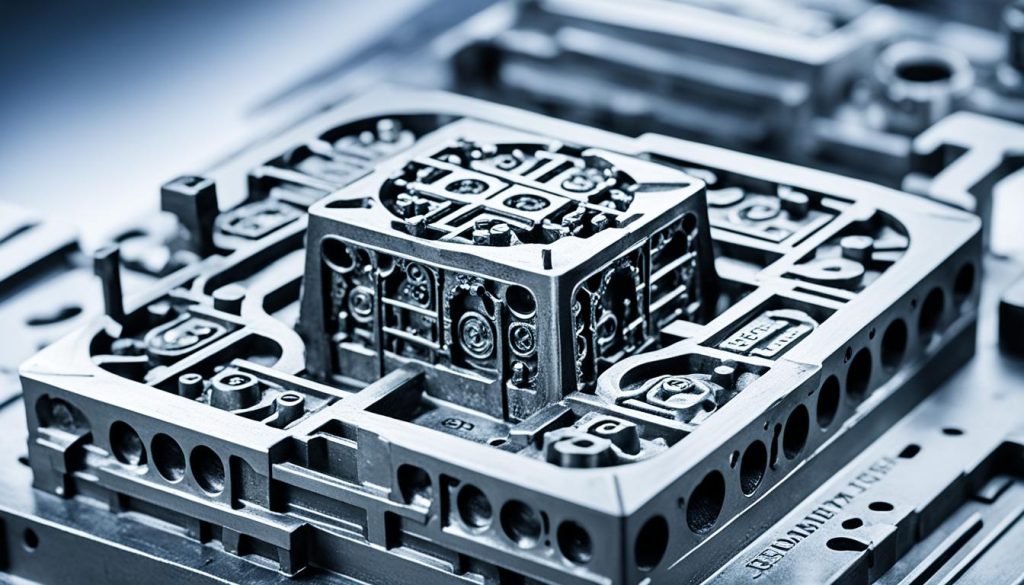
Keep in mind that the real-world applications of zinc die casting in promoting sustainability in manufacturing are not just theoretical but backed by significant case studies that demonstrate its effectiveness. Here are a few notable examples:
- Case Study 1: An automotive manufacturer successfully replaced aluminium with zinc die cast components, resulting in a heat dissipation efficiency increase of over 30% while reducing overall material usage by 15%.
- Case Study 2: A major electronics brand achieved a 20% reduction in carbon footprint by shifting to zinc die casting for their products, showcasing highly recyclable components that maintained durability.
- Case Study 3: A home appliance maker implemented zinc die casting techniques, leading to a 25% decrease in production waste, with parts being 100% recyclable at the end of their lifecycle.
Examples from the Automotive Industry
Successful implementations in the automotive industry highlight the positive impact of zinc die casting. For instance, a well-known car manufacturer shifted from traditional casting methods to zinc die casting for various vehicle components, enhancing the overall performance of their models. This strategic transition not only improved part strength by 40% but also decreased the vehicle weight, leading to improved fuel efficiency and lower emissions.
Moreover, another automotive brand reported that by using zinc die casting for electrical parts, they could streamline assembly processes, reducing production time by 20%. This efficient approach has encouraged more manufacturers to consider zinc die casting, aligning with the industry’s growing emphasis on sustainability and reducing environmental footprints.
Applications in Electronics and Appliances
Industry advancements in electronics and appliance manufacturing demonstrate the versatility of zinc die casting. Through embracing this technique, many companies have seen significant benefits, including reduced energy consumption and improved product lifespan. Adopting zinc die casting in the electronics sector ensured that components were not only lightweight and durable but also capable of being recycled efficiently, addressing the rising concern about e-waste.
The ability to produce intricate designs at a lower cost makes zinc die casting a favoured choice for electronics manufacturers. Many firms are now integrating this method to achieve superior finishing and better performance in their devices. Notably, products made from die-cast zinc can withstand higher temperatures, making them ideal for critical electronic applications. Moreover, as these components are 100% recyclable, they contribute greatly to a circular economy, minimising waste and fostering sustainable practices in the manufacturing process.
Future Trends in Zinc Die Casting
All signs point towards continued innovation and improvement in zinc die casting practices as the industry evolves to meet sustainability goals. You will notice a shift towards using recycled zinc materials as manufacturers increasingly recognise the environmental benefits of utilising post-consumer scrap. This not only reduces material waste but also decreases the energy consumption associated with primary zinc production. Furthermore, advancements in technology, such as the integration of smart manufacturing techniques and automated processes, are paving the way for reduced emissions and enhanced resource efficiency in die casting operations.
Innovations in Sustainable Practices
Below the surface, you will find that several innovations are shaping the future of sustainable practices within the industry. One of the most noteworthy trends is the development of eco-friendly alloys and surface treatments that minimise environmental impact without compromising performance. Manufacturers are also implementing closed-loop systems to reclaim and reuse materials, which can lead to significant reductions in waste. By adopting these progressive strategies, you can play a part in fostering a more sustainable manufacturing landscape.
Industry Forecasts for Zinc Utilization
Innovations in the zinc die casting sector indicate a bright future, with predictions of robust growth in demand for zinc-based components. You can expect to see a significant increase in the application of zinc in various industries, including automotive and consumer electronics. This growth is closely tied to the metal’s economic advantages, such as its excellent castability and lower melting point compared to alternatives. As companies aim to enhance sustainability within their supply chains, the trend of incorporating more zinc into products will likely continue.
This forecast indicates that manufacturers embracing zinc die casting will benefit from a greater focus on sustainability and efficiency-related innovations. As industries transition towards greener operations, the demand for zinc is set to rise, driven by its inherent recyclability and sustainable attributes. By leveraging these key factors, you can ensure your business remains competitive and aligned with the growing emphasis on environmental responsibility.
Thus, the future of zinc die casting is steeped in innovation and sustainability. If you’re looking for a Zinc Die Casting Partner, contact Jones and Wilkinson on 01922 475444. Their expertise can help you navigate this ever-evolving landscape while ensuring you remain committed to sustainable practices. You can find more information on their website: https://www.jonesandwilkinson.co.uk/.
Conclusion
Taking this into account, it’s evident that zinc die casting plays a significant role in promoting sustainability within the manufacturing sector. By utilising recycled materials and producing components with high precision, you can drastically reduce waste and energy consumption. This process not only minimises your environmental impact but also contributes to the creation of durable products that can withstand the test of time, thus lowering the overall demand for raw materials. As industries increasingly shift towards more sustainable practices, embracing zinc die casting can place your operations at the forefront of eco-friendly manufacturing.
Moreover, the efficiency of zinc die casting offers you the opportunity for substantial cost savings in the long run. By investing in sustainable methods like this, you enhance your brand’s reputation and align your business with the growing global emphasis on environmental responsibility. If you’re looking for a zinc die casting partner to assist you in your sustainability journey, do not hesitate to contact Jones and Wilkinson on 01922 475444. You can also visit their website at https://www.jonesandwilkinson.co.uk/ for more information on how they can support your manufacturing needs.
FAQ
Q: How does zinc die casting contribute to sustainability in manufacturing?
A: Zinc die casting supports sustainability by minimising material waste during the manufacturing process. The nature of die casting allows for precise control over the amount of zinc used, leading to fewer excess materials compared to other methods. Additionally, the process typically results in components that require little to no machining, further reducing waste and energy consumption.
Q: What is the recyclability of zinc die cast components?
A: Zinc die cast components have excellent recyclability. Zinc can be recycled multiple times without losing its properties, making it an environmentally friendly option for manufacturers. The recycling process for zinc involves less energy consumption compared to primary zinc production, thus lowering the overall carbon footprint associated with its use.
Q: How do zinc die casting techniques reduce energy consumption?
A: Zinc die casting techniques can lead to lower energy consumption due to their efficient production methods. The die casting process itself is faster than many traditional methods, allowing for quicker production cycles. Furthermore, the low melting point of zinc compared to other metals means that less energy is required to heat the material, contributing to a more sustainable operation overall.
Q: What role does zinc play in product durability and lifespan?
A: Zinc die cast products are known for their durability and corrosion resistance, which extends their lifespan. This longevity not only benefits manufacturers by reducing the frequency of replacements and repairs but also supports sustainability by decreasing the overall demand for new materials and resources over time.
Q: How can companies benefit financially from incorporating zinc die casting into their operations?
A: By integrating zinc die casting into their manufacturing processes, companies can experience cost savings through reduced material waste, lower energy consumption, and decreased labour costs associated with machining and finishing processes. Moreover, the environmental benefits associated with sustainability initiatives can enhance a company’s reputation, attracting eco-conscious consumers and potentially leading to increased sales.
Conclusion
Incorporating zinc die casting into manufacturing processes offers numerous sustainability benefits, from minimising waste and energy consumption to providing durable products with a long lifespan. Companies looking to enhance their sustainability efforts should consider utilising zinc die casting techniques. If you’re looking for a zinc die casting partner, contact Jones and Wilkinson on 01922 475444. Their website is: https://www.jonesandwilkinson.co.uk/


