Zinc Die Casting Industry News August 2025
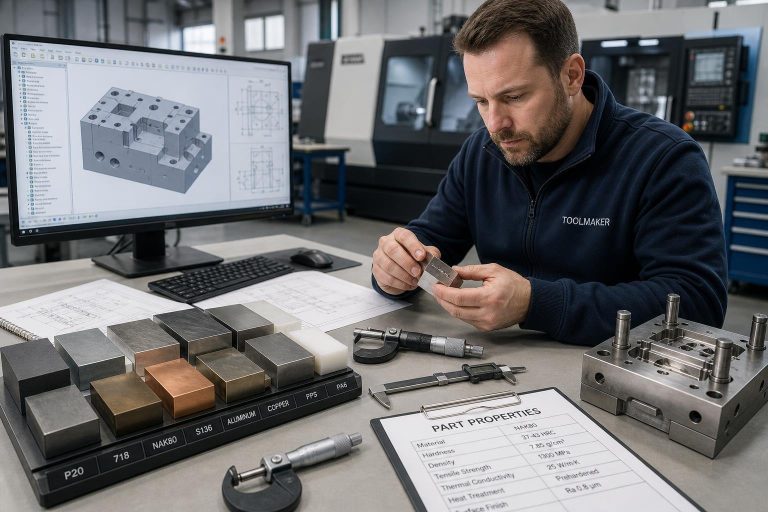
The zinc die casting industry in August 2025 is facing notable shifts driven by market changes and new technology. Demand is evolving with a growing focus on precision and sustainability. Companies are adapting by using smarter processes and materials to meet rising expectations.
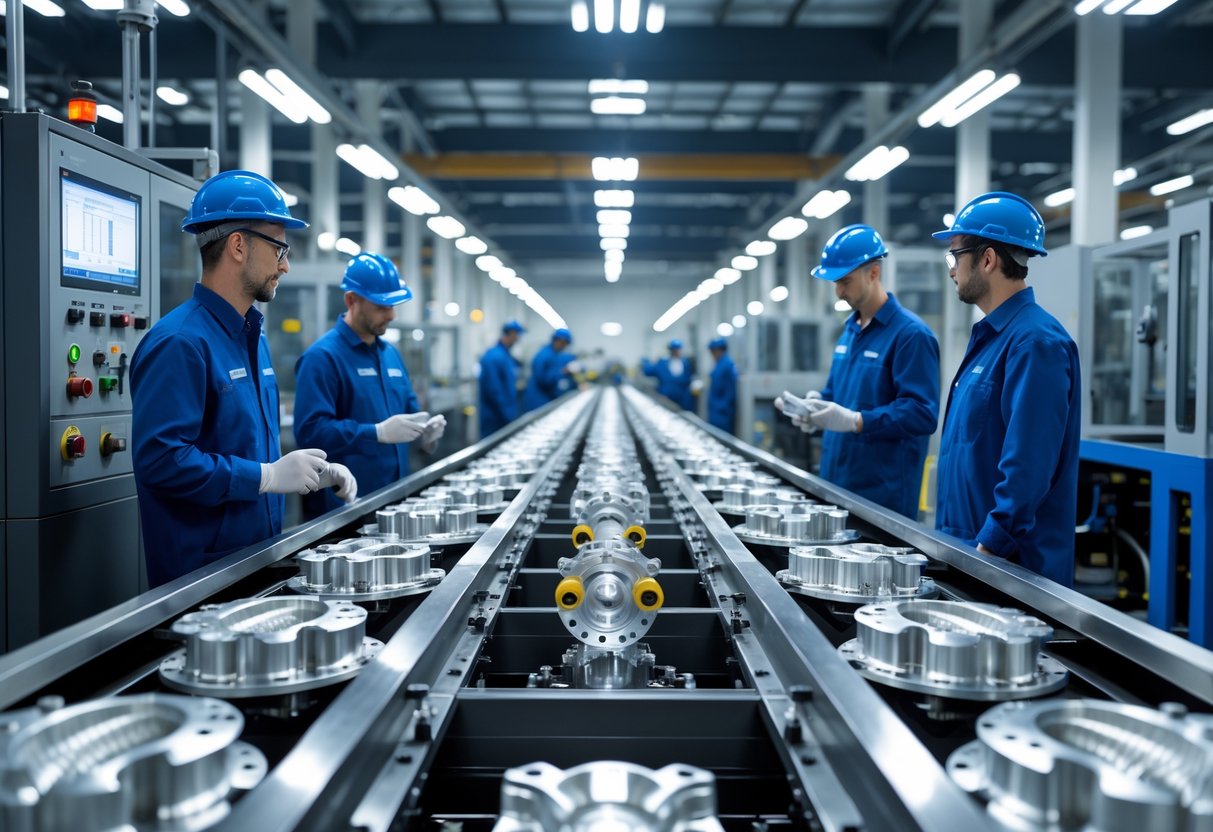
The key developments in zinc die casting this month include a push towards more energy-efficient methods and the adoption of AI-driven tools to improve quality and reduce waste. These changes are helping manufacturers meet stricter environmental standards while remaining competitive globally.
Alongside technological advances, the industry also sees challenges like fluctuating raw material prices. Despite this, manufacturers continue to prioritise innovation and lean production models to optimise output. Staying informed on these trends is vital for anyone involved in zinc die casting today.
Major News and Developments in Zinc Die Casting
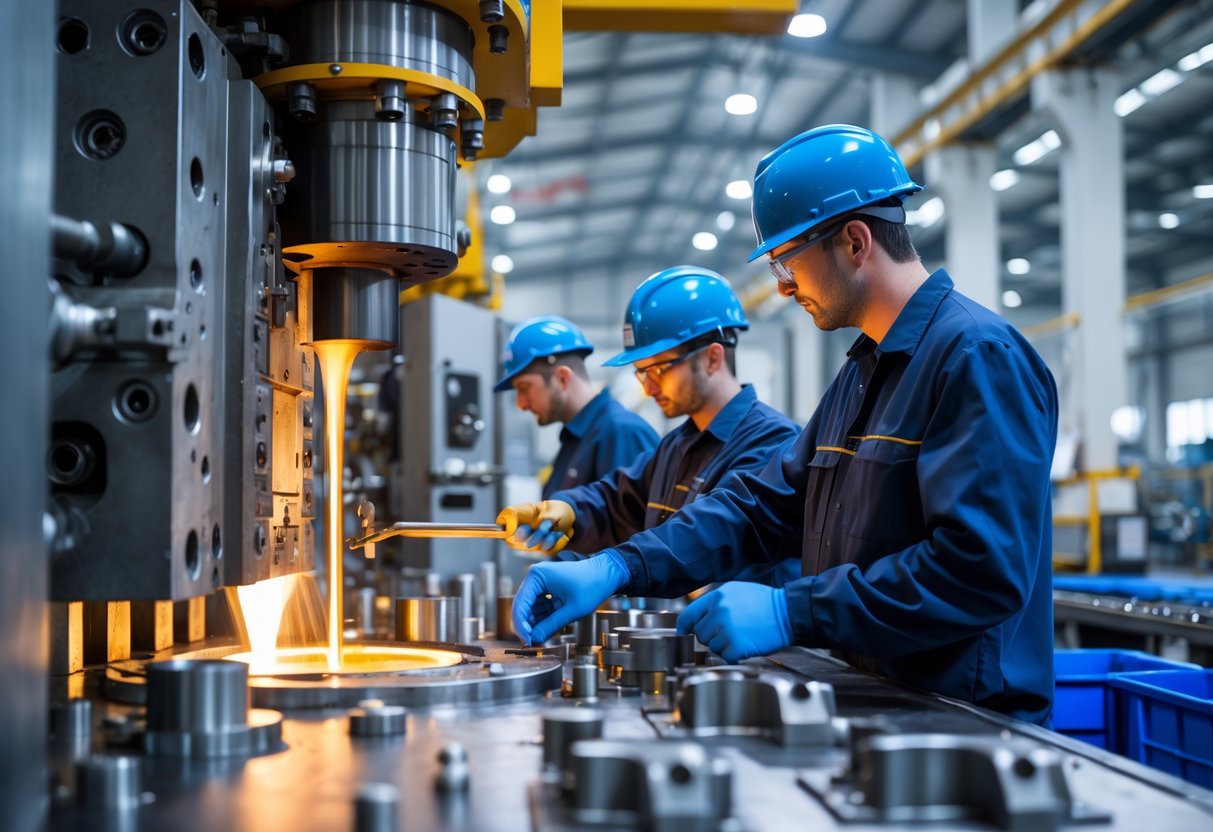
The zinc die casting industry in August 2025 shows clear signs of expansion, driven by rising demand in key sectors and advances in technology. Projects are underway that demonstrate new capabilities while improving cost and environmental efficiency.
Market Growth and Key Drivers
The zinc die casting market is growing steadily due to strong demand from the automotive, telecommunications, and industrial machinery sectors. These industries value zinc die cast parts for their precision, strength, and cost-effectiveness.
Zinc prices have stabilised after some fluctuations early in the year, helping manufacturers plan production more confidently. Supply chain improvements and low domestic inventories have supported order increases.
Key drivers include the need for lightweight, durable components and the push for shorter lead times in manufacturing. Environmental regulations have also encouraged producers to adopt processes that reduce waste and emissions, making zinc die casting more competitive.
Technological Breakthroughs in 2025
Technological progress is enhancing the quality and efficiency of zinc die casting. Hot runner systems are being adopted more widely, which improve material flow and reduce scrap rates. This leads to better surface finish and dimensional accuracy in die cast parts.
New zinc alloys with improved flow characteristics are gaining attention. These materials allow for complex shapes to be cast more easily, with enhanced mechanical properties such as higher tensile strength and elongation.
Automation and digital monitoring are increasingly common. They allow manufacturers to optimise operations, reduce errors, and speed up production. Environmental impact is being lowered through energy-efficient machines and better recycling of zinc scrap.
Significant Projects and Case Studies
Several projects in 2025 highlight the industry’s advancements. A leading automotive parts supplier recently replaced aluminium with zinc die cast parts to reduce weight without sacrificing strength. This change cut costs and improved fuel efficiency.
In Europe, a telecommunications equipment manufacturer implemented a new hot runner zinc die casting process. This resulted in higher yield rates and reduced production time for complex housings.
Case studies also show the benefits of integrating automation in die casting shops. One facility saw a 20% boost in output and significant scrap reduction by using real-time quality control systems paired with advanced zinc alloys.
These projects demonstrate zinc die casting’s role in meeting modern manufacturing challenges with precision and economic advantages. For more details, see the developments in Zinc Die Casting in 2025 and Top Trends in the Die Casting Industry.
Technological Innovations and Sustainability Trends
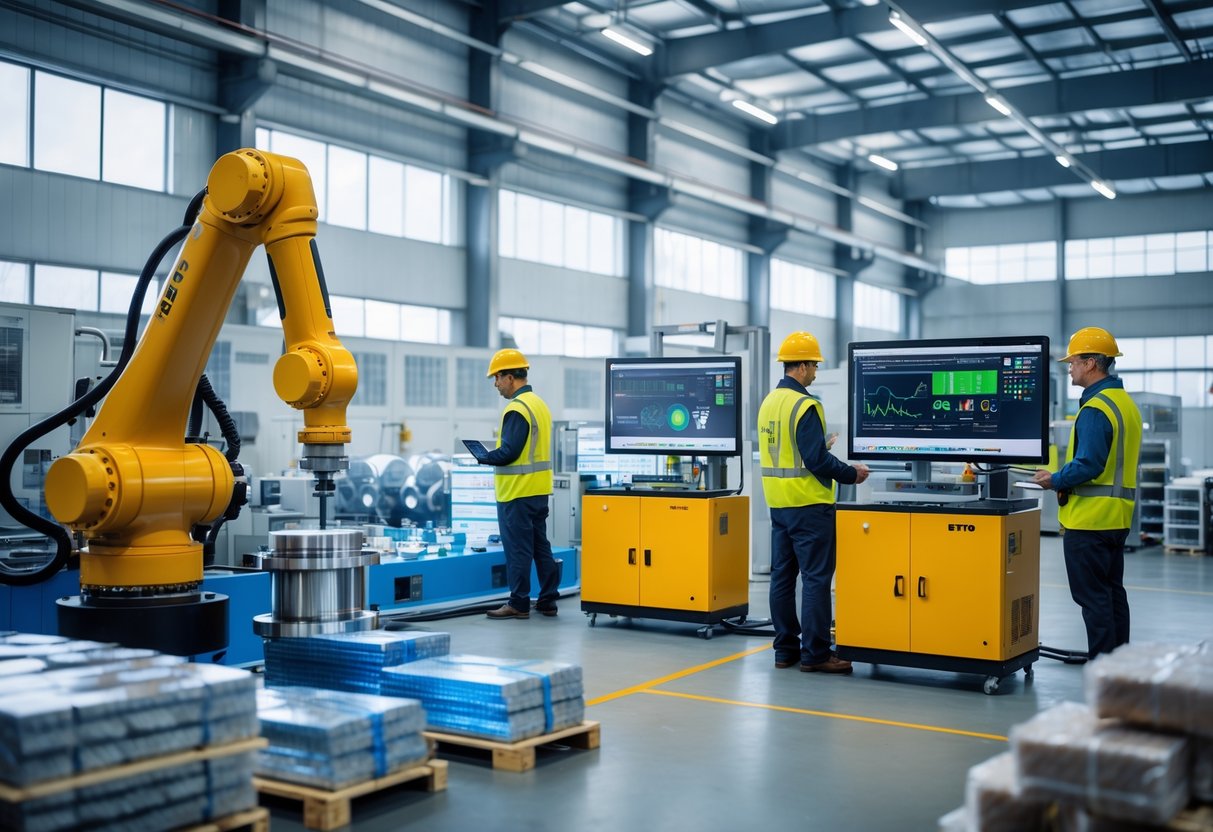
The zinc die casting industry in 2025 is adopting new technologies that improve precision and cut production time. These advances also focus on lowering environmental impact through better materials and smarter processes.
Hybrid Manufacturing and 3D Printing Integration
Hybrid manufacturing combines traditional die casting with 3D printing to create complex parts faster. 3D printing is used to produce tooling components or prototype molds, reducing the lead time for new production runs.
This integration allows manufacturers to customise designs without needing fully new metal tools, which cuts costs. It also supports rapid testing and iteration of parts, which improves product quality.
For zinc die casting, 3D printing helps shape cores and inserts that cannot be made efficiently by conventional means. This leads to lighter and more intricate castings, which are highly valued in automotive and electronics sectors.
AI and Digitalisation in Process Control
Artificial intelligence (AI) supports real-time monitoring and control during die casting operations. Sensors collect data on temperature, pressure, and flow rates, which AI systems analyse to adjust variables automatically.
This reduces defects and improves consistency. Digitalisation also enables predictive maintenance, helping machines avoid breakdowns before they happen.
With AI integration, operators gain better insight into the entire casting process. This leads to shorter cycle times and less waste, making the process both faster and more efficient.
Sustainable Materials and Production Methods
Sustainability efforts focus on using recycled alloys and cutting energy consumption in die casting factories. Zinc alloys can be partially recycled from scrap without losing quality, which supports circular economy goals.
Manufacturers also adopt closed-loop cooling systems and energy-efficient furnaces to reduce carbon footprints. Some are exploring alternatives like bio-based lubricants and environmentally friendly coatings.
Together, these practices lower the environmental impact of zinc die casting while maintaining high product standards. The shift to sustainable inputs and processes is becoming vital due to stricter industry regulations and customer demand for greener solutions.
For more details, see the discussion on eco-friendly practices in die casting.