

Is Zinc Die Casting the Best Choice for Your Product?
Choosing the right manufacturing process for your product can make or break its success in the market. Zinc die casting has emerged as a popular manufacturing method across industries, from automotive to electronics, but determining whether it suits your specific needs requires careful consideration of multiple factors.
Zinc die casting excels at producing complex, thin-walled parts with excellent dimensional accuracy and surface finish, making it ideal for high-volume production runs where precision matters. However, like any manufacturing process, it comes with trade-offs that manufacturers must weigh against their product requirements and budget constraints.
This comprehensive analysis examines zinc die casting’s capabilities, limitations, and real-world applications to help you make an informed decision. We’ll explore the fundamental processes, compare performance characteristics, and provide practical guidance for evaluating whether zinc die casting aligns with your manufacturing goals.
Key Takeaways
- Zinc die casting delivers exceptional precision and surface quality for complex geometries in high-volume production
- The process offers excellent material properties including strength, durability, and complete recyclability
- Success depends on matching your specific product requirements with zinc die casting’s capabilities and limitations
Fundamentals of Zinc Die Casting
Zinc die casting uses molten zinc alloys injected into precision moulds under high pressure to create detailed metal parts. The process relies on specific zinc alloys like Zamak 3 and Zamak 5, each offering unique properties for different applications.
How the Zinc Die Casting Process Works
The zinc die casting process begins with heating zinc alloys to their melting point of 380-420°C. This relatively low temperature makes the process more energy-efficient than other metals.
Hot chamber machines handle the entire operation. The machine clamps two mould halves together with tremendous force. Molten zinc gets injected into the mould cavity under high pressure.
The injection happens quickly, typically within seconds. High pressure ensures the molten metal fills every detail of the mould completely.
Rapid cooling follows injection. The zinc solidifies fast due to the mould’s heat-conducting properties. This quick cooling creates a dense microstructure that strengthens the final part.
Key process steps include:
- Mould preparation and clamping
- Zinc alloy melting and injection
- Rapid cooling and solidification
- Part ejection and finishing
The entire cycle repeats continuously. Most zinc die casting operations achieve cycle times of 15-60 seconds depending on part complexity.

Zinc Die Casting Versus Other Methods
Zinc die casting offers distinct advantages over alternative manufacturing methods. Dimensional accuracy surpasses most other casting processes, with tolerances as tight as ±0.05mm achievable.
Compared to aluminium die casting, zinc provides superior precision and strength. Zinc’s excellent fluidity allows thinner walls and more intricate details than aluminium can achieve.
Surface finish quality comes directly from the mould. Parts often require minimal post-processing compared to sand casting or machining methods.
Production speed exceeds traditional manufacturing. Die casting produces hundreds of parts per hour versus slower machining operations.
Material waste stays minimal. The process uses nearly 100% of the zinc alloy, unlike machining which removes material as waste.
Tooling costs remain reasonable despite high initial investment. Dies last longer due to zinc’s lower operating temperatures compared to other casting alloys.
Key Types of Zinc Alloys in Die Casting
Zamak 3 serves as the most widely used zinc die casting alloy. It offers excellent dimensional stability and good mechanical properties. This alloy contains 4% aluminium and small amounts of magnesium.
Zamak 5 provides higher strength than Zamak 3. It contains slightly more aluminium (4%) and additional copper (1%). This composition increases hardness and tensile strength.
Zamak 2 delivers maximum strength among standard zinc die casting alloys. It contains 4% aluminium and 3% copper. This alloy suits high-stress automotive applications.
ZA-8 and ZA-27 represent high-aluminium zinc alloys. These casting alloys offer superior strength approaching that of aluminium alloys whilst maintaining zinc’s castability advantages.
Alloy selection factors include:
- Required mechanical strength
- Dimensional stability needs
- Corrosion resistance requirements
- Cost considerations
- Surface treatment compatibility
Each zinc alloy provides specific benefits for different applications, from electronics housings to automotive components.
Core Advantages and Limitations of Zinc Die Casting
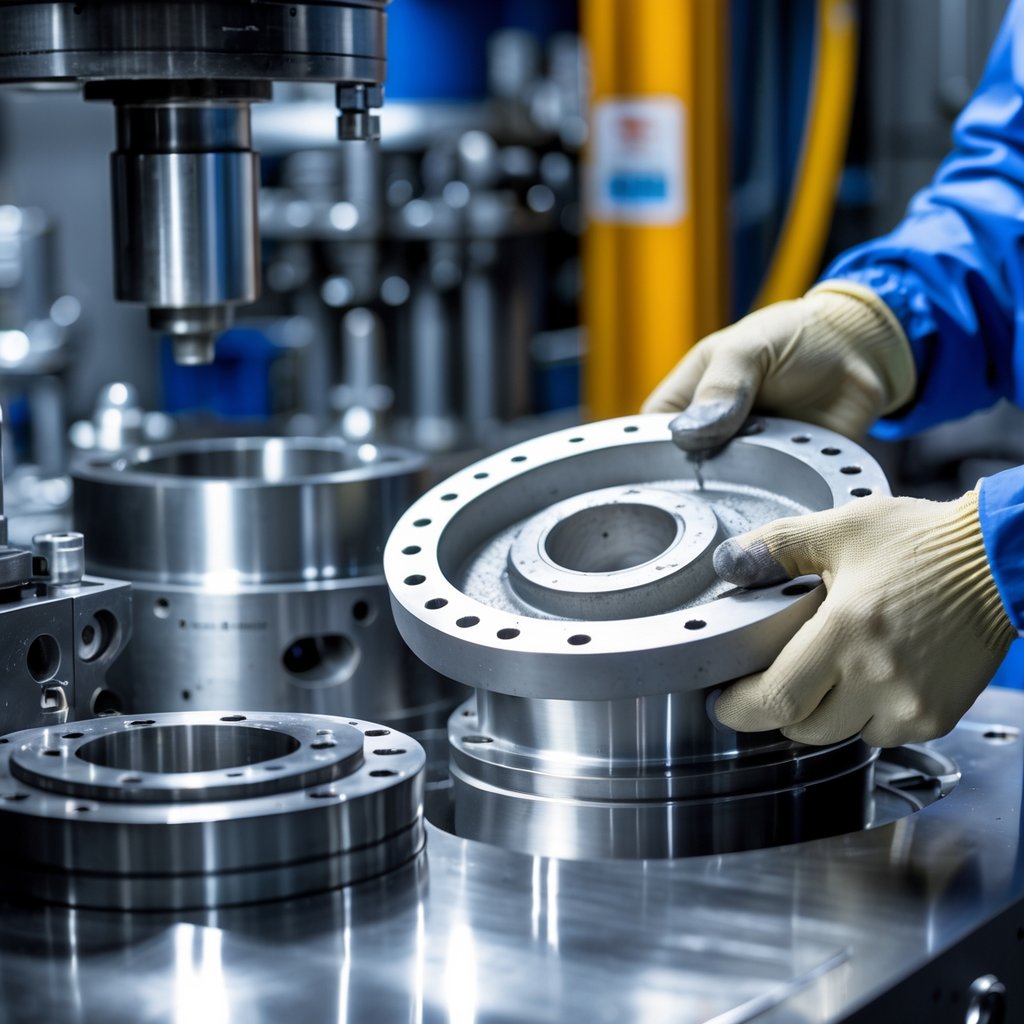
Zinc die casting delivers exceptional dimensional precision with tolerances as tight as ±0.05mm whilst offering strong mechanical properties that rival cast aluminium and magnesium. The process produces superior surface finishes that reduce secondary operations and enables efficient mass production for high-volume manufacturing.
Dimensional Precision and Tight Tolerances
Zinc die casting achieves remarkable dimensional accuracy that sets it apart from other casting methods. Parts maintain tolerances of ±0.05mm to ±0.1mm consistently across production runs.
The material’s excellent castability allows for complex geometries with thin walls as narrow as 0.6mm. This precision stems from zinc’s superior fluidity when molten, which fills intricate mould details completely.
Key tolerance capabilities:
- Linear dimensions: ±0.05mm to ±0.1mm
- Wall thickness: 0.6mm minimum
- Draft angles: 0.5° to 1°
- Surface flatness: ±0.05mm
Manufacturers benefit from minimal post-machining requirements. Most parts meet final specifications directly from the casting process.
The low shrinkage rate of zinc alloys contributes significantly to dimensional stability. Parts maintain their precise measurements throughout cooling and solidification phases.
Mechanical Properties and Strength
Zinc alloys deliver impressive mechanical properties that compete with traditional engineering materials. Zamak alloys provide tensile strengths ranging from 263 to 317 MPa.
Impact resistance remains consistently high across temperature ranges. Zinc castings absorb energy effectively without brittle failure, making them suitable for structural applications.
The material exhibits excellent wear resistance in sliding and bearing applications. Surface hardness ranges from 82 to 95 HB depending on the specific alloy composition.
Typical mechanical properties:
- Tensile strength: 263-317 MPa
- Yield strength: 200-240 MPa
- Elongation: 7-10%
- Hardness: 82-95 HB
Zinc’s bearing performance exceeds many cast iron and bronze alternatives. The material handles repeated loading cycles without significant degradation.
However, mechanical performance can decline in larger components. Parts exceeding 300mm in any dimension may experience reduced strength characteristics.

Surface Finish Quality and Secondary Processes
Zinc die casting produces exceptional surface finish quality straight from the mould. Surface roughness typically measures Ra 1.6 to 3.2 μm without additional processing.
The smooth surface accepts various treatments including electroplating, powder coating, and painting. Chrome, nickel, and zinc plating adhere excellently to zinc substrates.
Available surface treatments:
- Electroplating (chrome, nickel, brass)
- Powder coating
- Liquid painting
- Anodising alternatives
- Conversion coatings
Parts often require minimal surface preparation before finishing. This reduces processing time and labour costs significantly compared to other casting materials.
The fine surface texture eliminates machining marks and porosity issues common in sand casting. Components achieve cosmetic quality suitable for visible applications.
Secondary machining becomes unnecessary for most features. Threads, holes, and complex contours form directly during casting with excellent surface integrity.
Efficiency in Mass Production
Zinc die casting excels in mass production environments due to rapid cycle times and hot chamber processing. Cycle times typically range from 30 to 180 seconds depending on part complexity.
The hot chamber process eliminates metal transfer steps, increasing efficiency. Molten zinc remains in the machine, reducing handling and energy consumption.
Production efficiency factors:
- Cycle time: 30-180 seconds
- Mould life: 500,000+ cycles
- Automation compatibility: Excellent
- Scrap rate: <2%
High mould durability supports extended production runs without replacement. Tool steel moulds withstand hundreds of thousands of cycles with proper maintenance.
Automated systems integrate seamlessly with zinc die casting equipment. Robotic part removal and finishing operations reduce labour requirements substantially.
The process generates minimal waste material. Runners and sprues recycle easily, maintaining material utilisation rates above 98%.
Performance Considerations for Your Product Requirements
Zinc die casting offers specific performance characteristics that directly impact product functionality and longevity. The material’s corrosion protection, thermal properties, and dimensional stability determine whether it meets your application demands.
Corrosion and Wear Resistance
Zinc provides natural corrosion protection through its ability to form a protective oxide layer when exposed to moisture and oxygen. This barrier prevents further oxidation and protects the underlying metal structure.
Galvanic corrosion resistance makes zinc particularly effective in outdoor applications. The material sacrifices itself to protect other metals in contact, acting as a natural barrier against environmental damage.
Zinc alloys demonstrate excellent wear resistance under normal operating conditions. The material maintains surface integrity during repeated contact and friction cycles.
Surface treatments enhance protection further:
- Chromate conversion coatings
- Powder coating applications
- Electroplating processes
- Anodising treatments
These finishes extend component lifespan in harsh environments. Zinc accepts surface treatments more readily than aluminium, providing superior adhesion and coverage.
Thermal Conductivity and Heat Performance
Zinc exhibits moderate thermal conductivity compared to other die casting materials. The material transfers heat at approximately 116 W/m·K, making it suitable for applications requiring controlled heat dissipation.
Operating temperature limits restrict zinc to applications below 95°C for extended periods. Higher temperatures cause strength reduction and potential dimensional changes.
Zinc alloys maintain stable performance within their temperature range. The material provides consistent thermal expansion characteristics, preventing joint failures and seal compromises.
Heat dissipation applications benefit from zinc’s thermal properties:
- Electronic housings
- Heat sink components
- Automotive brackets
- LED fixture bodies
The material balances thermal transfer with structural integrity for moderate-heat applications.
Creep Resistance and Dimensional Stability
Zinc demonstrates limited creep resistance under sustained mechanical loads at elevated temperatures. The material maintains dimensional accuracy when operating within specified temperature and stress parameters.
Long-term dimensional stability makes zinc suitable for precision components. Parts maintain their original dimensions during normal service life without significant deformation.
Zinc alloys offer superior dimensional accuracy during the casting process. Manufacturers achieve tolerances of ±0.05mm on critical dimensions consistently.
Factors affecting stability include:
- Operating temperature ranges
- Applied mechanical stresses
- Environmental exposure conditions
- Alloy composition selection
Proper alloy selection prevents dimensional drift in service. Zamak alloys provide enhanced creep resistance compared to pure zinc formulations.

Selecting Zinc Die Casting for Your Application
Choosing zinc die casting requires evaluating specific material requirements and understanding where zinc alloys excel compared to other casting alloys. The decision depends on mechanical properties needed and the specific constraints of each application.
Criteria for Material Selection
Mechanical Properties form the foundation of material selection. Zinc alloys offer excellent tensile strength and impact resistance for most applications. They provide superior dimensional accuracy compared to many other casting alloys.
Environmental Conditions significantly influence alloy choice. Zinc die casting performs well in standard indoor environments. However, exposure to harsh chemicals or extreme temperatures may require special consideration.
Production Requirements affect feasibility. Zinc alloys flow easily into complex moulds, making them ideal for intricate designs. The material allows for thin wall sections and tight tolerances.
Cost Considerations include both material and processing expenses. Zinc die casting typically offers lower tooling costs than alternatives. The rapid cycle times reduce overall production costs for high-volume runs.
Surface Finish Requirements often favour zinc alloys. These materials achieve excellent surface quality straight from the mould. They accept various finishing treatments including plating and painting.
Common Use Cases and Limitations
Electronics and Hardware represent primary applications. Zinc die casting produces connectors, housings, and small mechanical components. The material provides electromagnetic shielding properties essential for electronic devices.
Automotive Components include interior trim, handles, and brackets. Zinc alloys offer the precision needed for decorative parts. They maintain dimensional stability under typical automotive conditions.
Consumer Products benefit from zinc’s castability. Kitchen appliances, tools, and toys commonly use zinc die casting. The process creates smooth surfaces that enhance product appearance.
Key Limitations include temperature sensitivity. Zinc alloys lose strength at elevated temperatures above 100°C. They also show susceptibility to galvanic corrosion when paired with certain metals.
Weight Considerations may limit applications. Zinc is denser than aluminium, making it unsuitable where weight reduction is critical.
Frequently Asked Questions
Zinc die casting offers distinct advantages for manufacturing complex parts with tight tolerances. The process excels in specific applications whilst facing certain limitations that manufacturers must consider.
What advantages does zinc die casting offer compared to other metal casting processes?
Zinc die casting provides superior precision and surface finish quality compared to many other casting methods. The material flows easily into complex moulds due to its low melting point.
Manufacturers achieve tighter tolerances with zinc than with aluminium or magnesium casting. The process requires lower operating temperatures, which extends die life significantly.
Zinc offers excellent dimensional stability after casting. Parts maintain their shape and measurements over time without warping or distortion.
The material accepts plating and finishing treatments readily. This allows for enhanced corrosion resistance and improved appearance.
Can zinc die casting accommodate complex product designs with precise detailing?
Zinc die casting excels at producing intricate geometries and fine details. The material’s fluidity allows it to fill thin sections and sharp corners completely.
Manufacturers can achieve wall thicknesses as thin as 0.6mm in zinc castings. This capability makes zinc ideal for detailed electronic housings and decorative components.
The process maintains consistent dimensions across large production runs. Tolerance variations remain minimal even for complex shapes with multiple features.
Threading, undercuts, and fine surface textures cast directly into parts. This reduces secondary machining operations and associated costs.
How does the durability of zinc die cast components compare to those made from aluminium or magnesium alloys?
Zinc die castings offer excellent impact resistance and ductility. The material absorbs energy well without cracking under sudden loads.
Aluminium provides superior strength-to-weight ratios for structural applications. However, zinc maintains better dimensional stability over temperature changes.
Zinc resists fatigue failure better than many magnesium alloys. The material handles repeated stress cycles without developing cracks.
Corrosion resistance varies based on alloy composition and surface treatments. Properly finished zinc parts perform well in moderate environmental conditions.
What considerations should be taken into account regarding the cost-effectiveness of zinc die casting for large production runs?
Initial tooling costs for zinc die casting remain comparable to other die casting processes. The investment becomes economical for quantities exceeding several thousand pieces.
Lower operating temperatures reduce energy consumption during production. Dies last longer when casting zinc compared to higher-temperature alloys.
Material costs for zinc typically exceed those of aluminium per kilogram. However, zinc’s higher density means fewer cubic centimetres needed for equivalent strength.
Reduced machining requirements offset higher material expenses. Parts often require minimal finishing operations after casting.
Are there any limitations to the types of products or industries for which zinc die casting is particularly well-suited?
Zinc’s lower melting point limits its use in high-temperature applications. Components exposed to sustained heat above 150°C may experience dimensional changes.
The automotive industry uses zinc primarily for interior components and hardware. Under-bonnet applications typically require aluminium or steel alternatives.
Electronics and consumer goods benefit most from zinc’s precision capabilities. Decorative hardware, locks, and small mechanical parts represent ideal applications.
Size constraints limit zinc casting to smaller components. Large structural parts favour aluminium or magnesium for weight considerations.
How does zinc die casting perform in terms of environmental sustainability and recyclability?
Zinc offers excellent recyclability with minimal quality degradation. Scrap material from production can be remelted and reused immediately.
The metal’s abundance in nature and established recycling infrastructure support sustainable manufacturing. Zinc doesn’t require energy-intensive extraction processes compared to other metals.
Lower processing temperatures reduce energy consumption during casting operations. This decreases the carbon footprint of production facilities.
Zinc’s corrosion resistance extends product lifespan in many applications. Longer-lasting components reduce replacement frequency and waste generation.


